Cape Town is a small city with a very large story, and the only honest way to tell it is on foot. In three hours we can walk from a 350-year-old Dutch fort, through a square where enslaved people were sold, into a neighbourhood the apartheid government bulldozed, and end up eating a koesister in the Bo-Kaap.
I don't sugar-coat the difficult parts, and I don't lecture. You'll get the history straight, the politics honestly, and a lot of ordinary human detail in between — because that's what actually makes a city make sense.
What we walk through
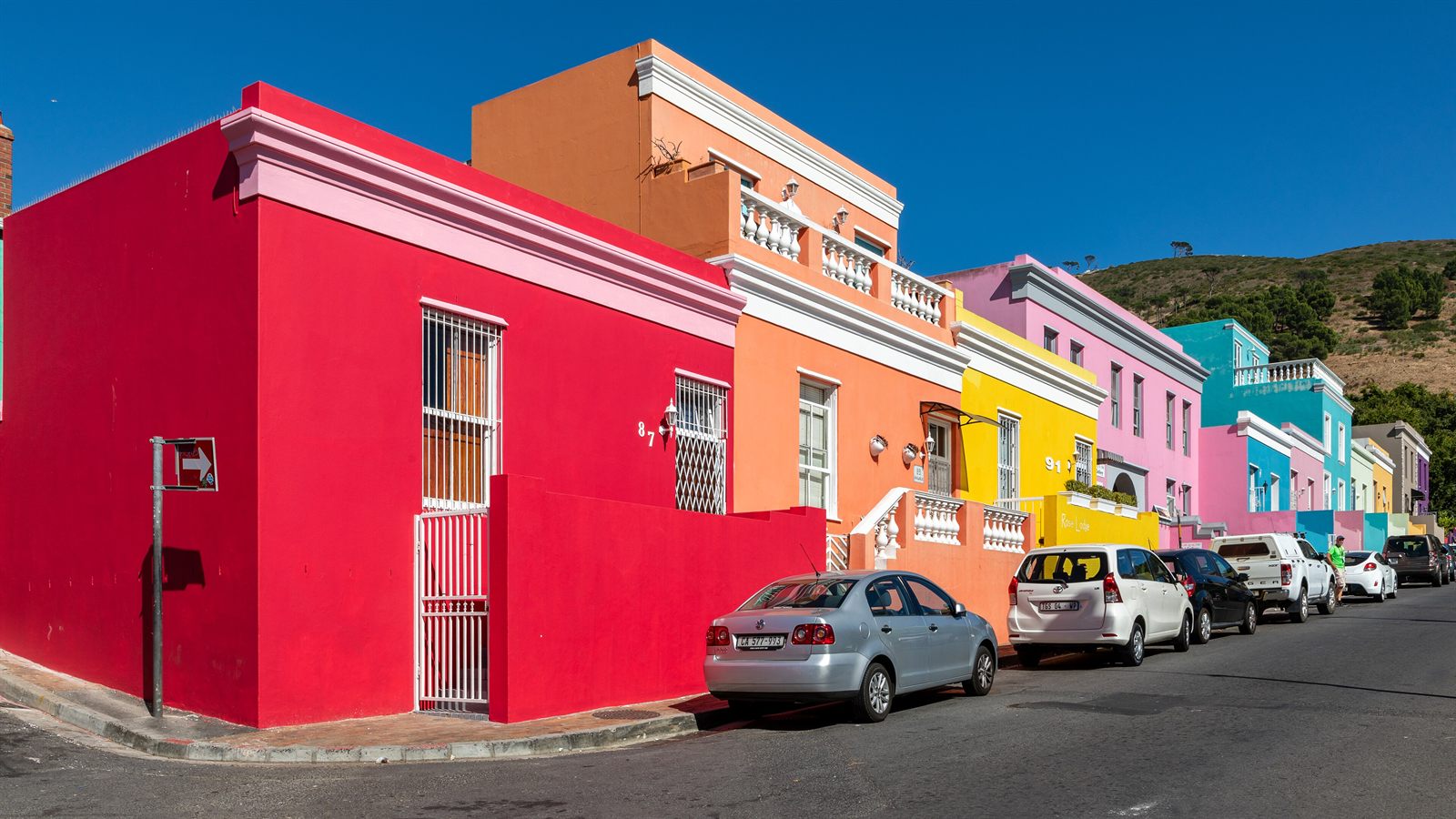
The Bo-Kaap
The famous painted houses above the city, home to Cape Town's Cape Malay community, whose ancestors were brought here as enslaved people and political exiles from Indonesia, Malaysia and India. Cobbled streets, the oldest mosque in South Africa, and the best photograph in Cape Town. We talk about why the houses are painted, and about the gentrification pressure the neighbourhood is under now.
District Six
Once a mixed, crowded, vibrant inner-city neighbourhood. In 1966 it was declared a whites-only area; more than 60 000 people were forcibly removed and their homes flattened. Much of the land still lies empty. The museum, told through the memories of the people who lived there, is one of the most affecting places in the country.
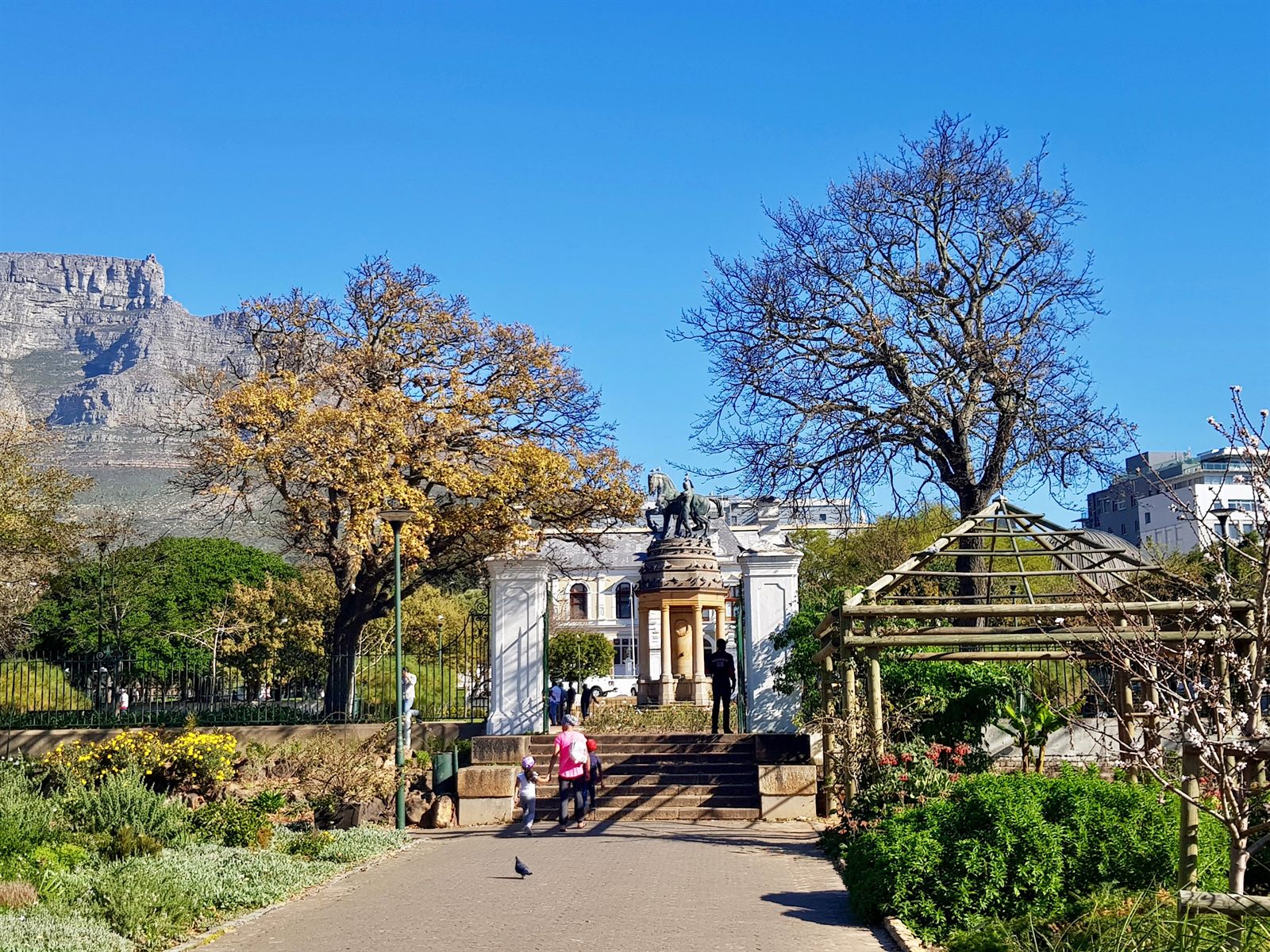
The Company's Garden
Where Cape Town began — the vegetable garden the Dutch East India Company planted in 1652 to resupply passing ships. Now a shaded avenue of old oaks running past the national museums, the cathedral and parliament, with squirrels and a very good coffee stop.
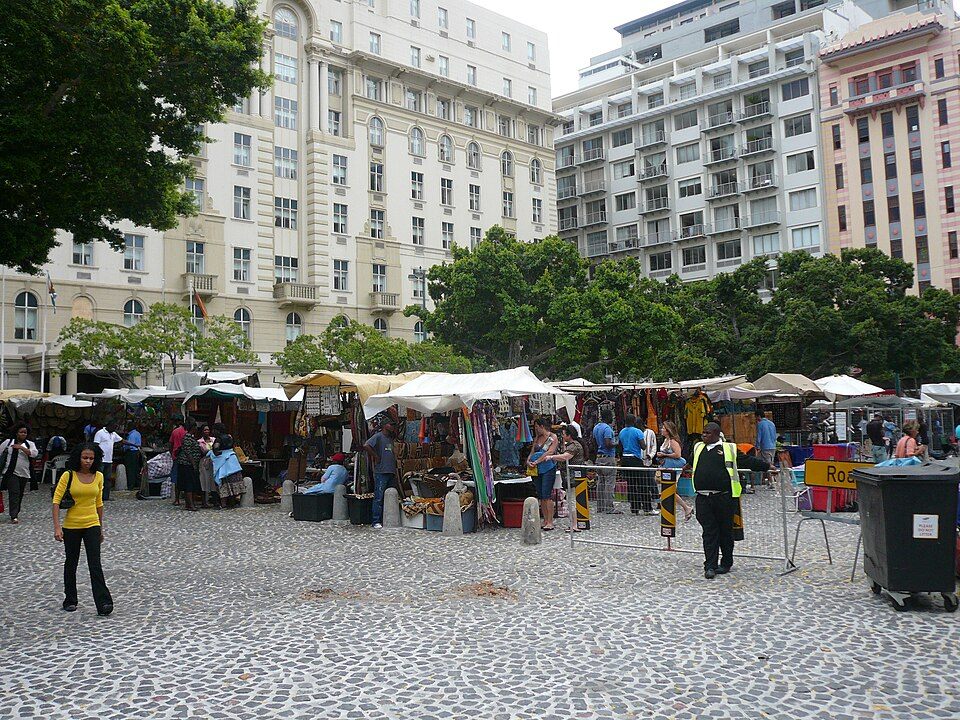
Greenmarket Square and the Castle
A cobbled square that has been a market, a slave-trading site and a protest ground, now full of traders from across Africa. And the Castle of Good Hope, the oldest surviving colonial building in the country, still shaped like a five-pointed star.
Good to know
- 🕐2½ to 3 hours at an easy pace; half-day options available.
- 💰From R500 per person. Museum entry extra.
- 👣Mostly flat. Some cobbles and a gentle climb in the Bo-Kaap.
- 💬Guided in English, Dutch, Afrikaans or some German.
- 📷Excellent for photographers — best light is early morning.
- ☕We stop for coffee. Non-negotiable.
Build your own route
Walking tours are the easiest thing to tailor, because everything is close together. Tell me what pulls you and I'll shape the route around it:
- History and apartheid — District Six, the Slave Lodge, Parliament
- Food — Cape Malay cooking, spice shops, market tasting
- Photography — Bo-Kaap early light, street art, harbour views
- Architecture — Cape Dutch, Victorian and Art Deco in ten blocks
- Art — the Zeitz MOCAA and the V&A Waterfront
Questions people ask
How long is the walk?
Around two and a half to three hours, taken slowly with plenty of stops. We can go longer if you're enjoying it.
Is it safe to walk in the city?
Yes — on these routes, in daylight, with a local guide. Cape Town needs the same street sense as any big city, and I'll tell you honestly which areas to avoid on your own.
How much is it?
From R500 per person, with museum entrance fees extra. Small private groups only.
Can you do it in Dutch?
Yes. I was born in the Netherlands and guide fluently in Dutch, as well as English, Afrikaans and some German.
What if it rains?
We adjust — more museum time, more indoor stops, more coffee. Cape Town rain rarely lasts all day.
Walk the city with me
Tell me what interests you most and I'll build the route around it.