
Your own language, eight thousand kilometres from home
I'm Natalie. I was born in the Netherlands and I have spent most of my life in the Cape, which means I can do something not many guides here can do — show you South Africa and explain it to you in Dutch.
It sounds like a small thing. It isn't. A tour is not a list of viewpoints; it's history, politics, plants, jokes, the awkward parts of our past and the odd habits of our present. All of that lives in the details, and details are exactly what gets lost when everyone is working in their second language. In Dutch, you ask the question you actually wanted to ask. I give you the real answer instead of the simple one. Nobody spends the day quietly translating in their head.
I guide comfortably in Dutch, English and Afrikaans, and I speak a good bit of German as well. Whether you have come from Amsterdam, Utrecht, Antwerp or Ghent, you will not miss a story.
Every tour, guided in Dutch
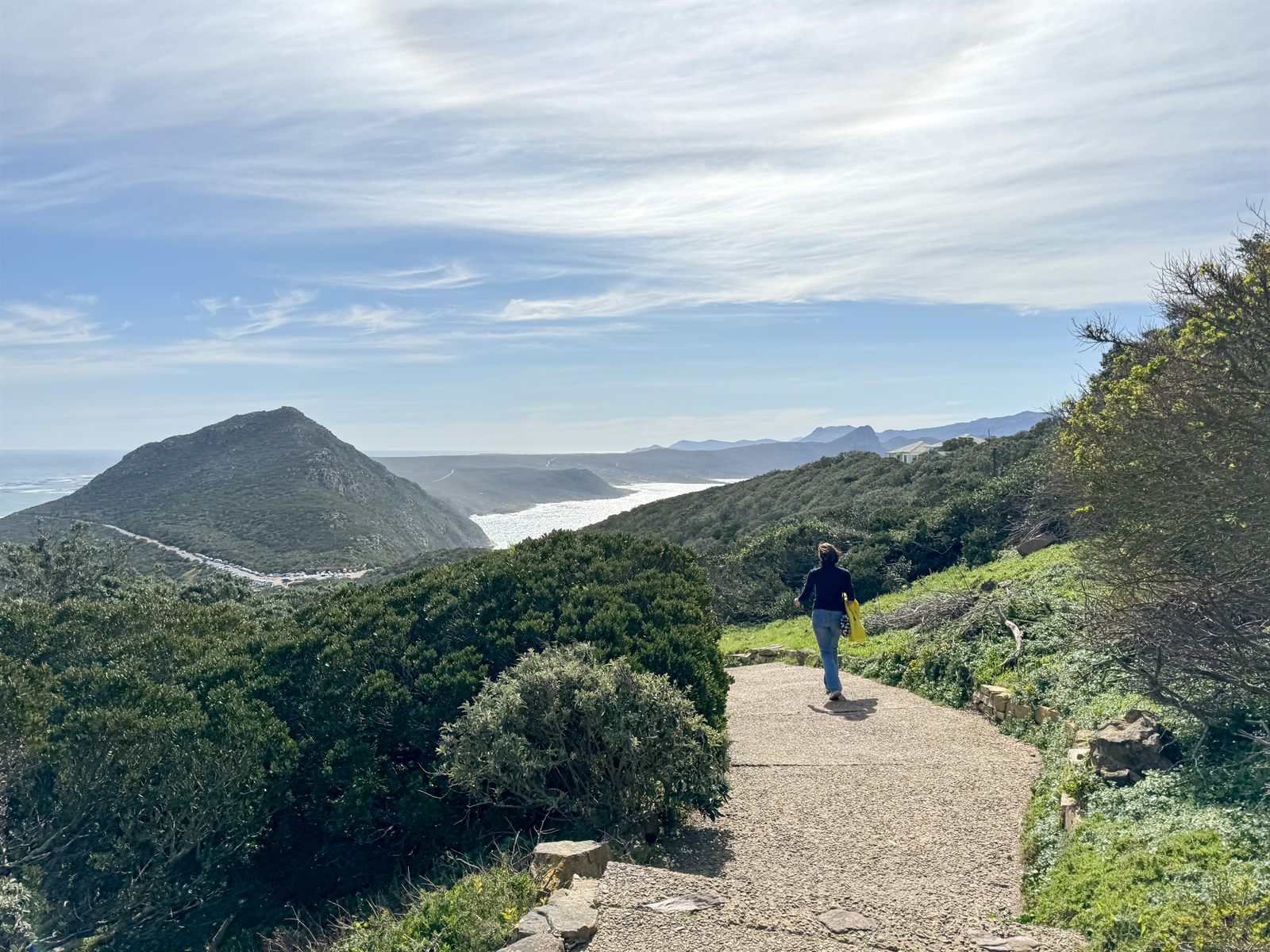
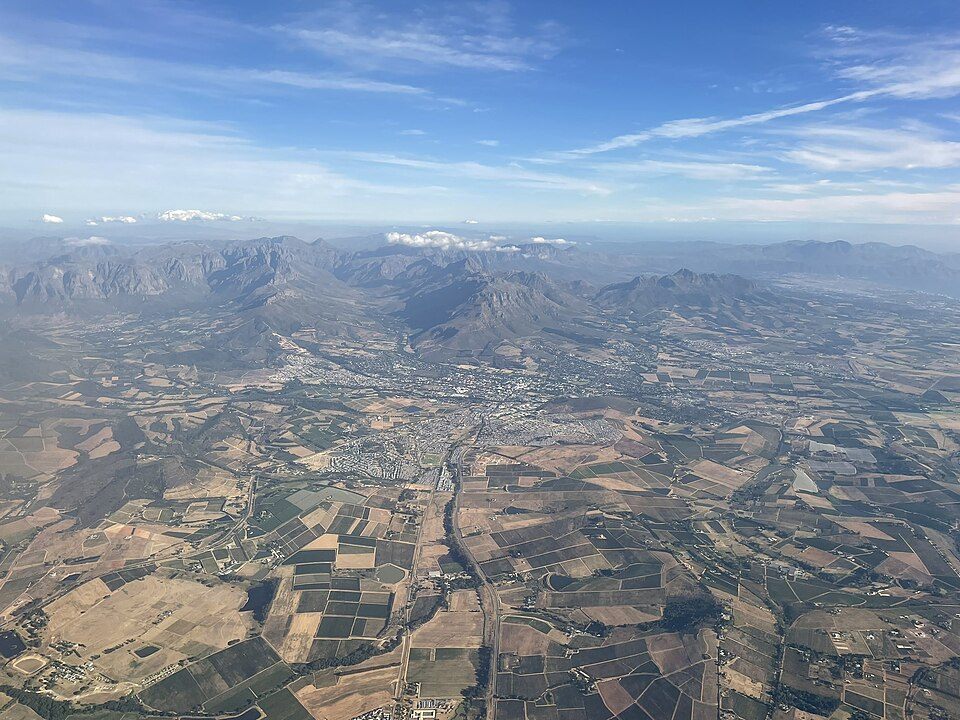
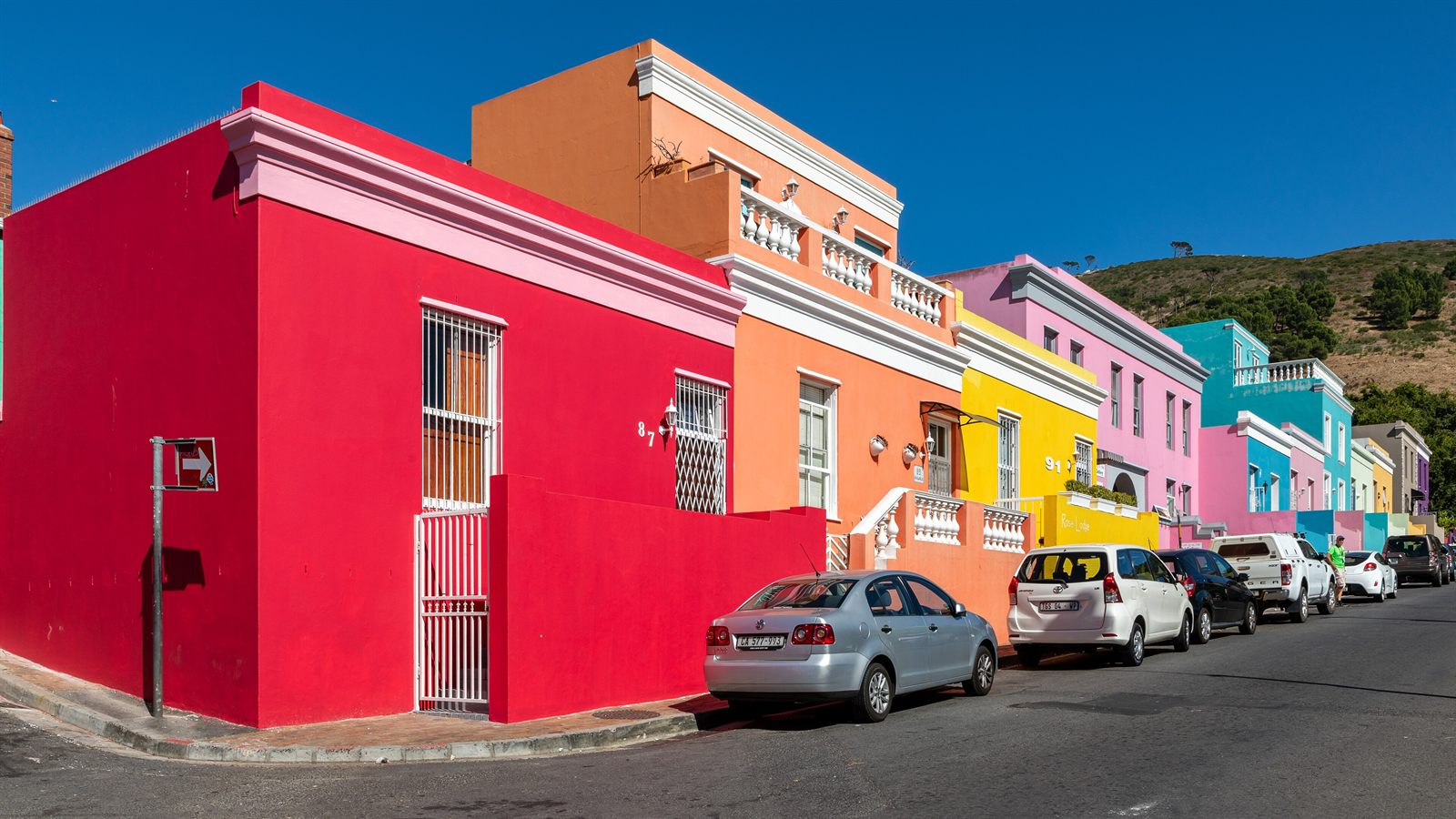
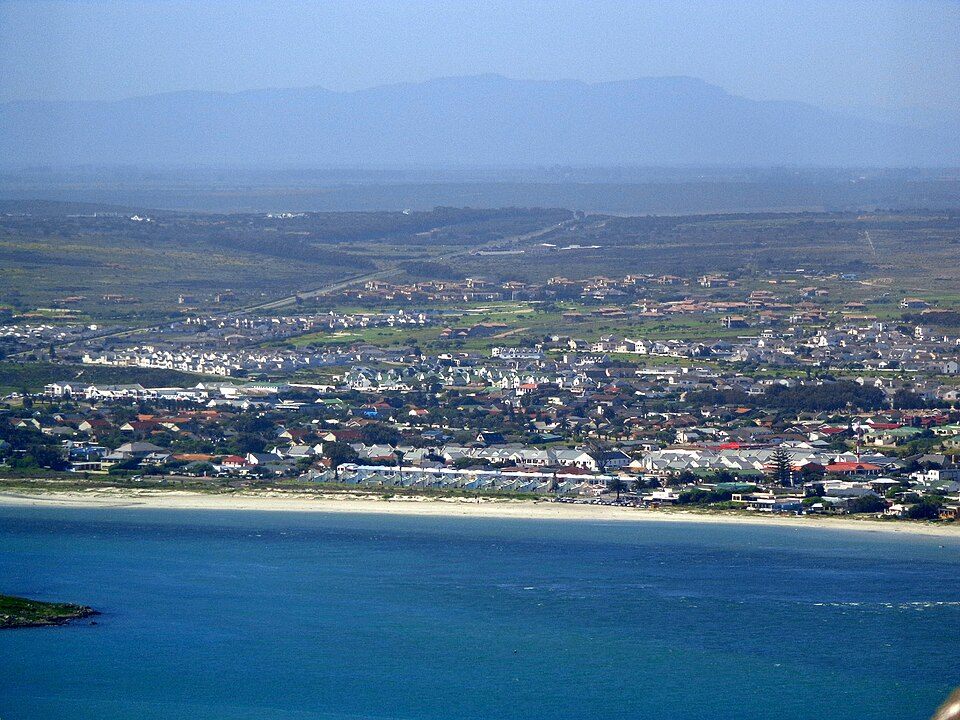
The language you choose costs nothing extra and changes nothing about the day. Any of these can be guided in Dutch:


Why Dutch visitors tend to enjoy the Cape
There is a strange familiarity to this place if you come from the Low Countries, and it usually takes people by surprise on the first morning.
Afrikaans grew out of the Dutch spoken by settlers who arrived in 1652, and you will spend the week half understanding road signs, menus and shop names. Uitgang. Vleis. Melk. Oudtshoorn. Stellenbosch. The Castle of Good Hope is a Dutch East India Company fort. The gables in Stellenbosch and Franschhoek would not look out of place along a canal. The Company's Garden was planted to grow vegetables for VOC ships on their way to Batavia.
It is a genuinely odd feeling — a country on the other side of the world with your own language fossilised inside it. I enjoy unpicking that with Dutch visitors more than almost anything else I do, and it is much easier to do properly in Dutch.
Good to know
- 🚗Private only. It is your group in the car — no strangers, no fixed departure time, no coach of forty people.
- 🎫Registered and legal. I am a registered South African tourist guide with a professional driving permit. Ask to see the card; guides here are required to carry it.
- 📍I collect you. From your hotel, guesthouse, Airbnb, the V&A Waterfront or Cape Town International.
- 🗺️The route is yours. Tell me what you want from the day and I build it around that, rather than running the same loop every time.
- 💰Prices. Walking tours from R500 per person; full private day tours R5000 for the day, not per person. Entrance fees and tastings are extra.
Questions people ask
Is there really a Dutch speaking guide in Cape Town?
Yes — and not a guide who learned a few phrases. I was born in the Netherlands. Dutch is my own language, and I use it on tour every season.
We're from Belgium — is that a problem?
Not in the slightest. Flemish and Dutch visitors are equally at home, and the day runs in Dutch either way.
Do you guide in German?
I speak a good bit of German and I'm happy to use it, but a full day is guided in Dutch, English or Afrikaans. Most German speaking visitors are very comfortable in English, and they are extremely welcome.
Does a Dutch guided tour cost more?
No. The language makes no difference to the price at all.
How far ahead should we book?
In high season — roughly December through March, and again over the whale months — as early as you can. I only run one private group a day, so the diary closes quickly.
Let's discover the Cape together
Message me in Dutch or English, whichever is easier. Tell me when you're here and what you'd like to see, and I'll put a day together.